Celebrity biography readers beware. David Cay Johnston catalogs how one best-selling author, C. David Heymann, who wrote books of historical significance about world leaders and A-class celebs, filled his pages with inaccuracies and downright scurrilous fabrications.
C. David Heymann”s Lies About JFK and Jackie, Marilyn Monroe and Elizabeth Taylor
by David Cay Johnston
Newsweek
August 27, 2014
He had been dead for over two years, but he still had a magic touch with readers.
When best-selling author C. David Heymann”s latest (and last) book, Joe and Marilyn: Legends in Love, came out in July, it received the kind of reviews most authors would kill for. The Columbus Dispatch called it an “engrossing portrait.” The Christian Science Monitor and the New York Post raved. Kirkus Reviews said it was “a well-researched story” revealing the “profoundly unethical behavior of the medical and mental health professionals who dealt with [Monroe].” The popular Canadian magazine Maclean”s praised Heymann”s research, finding “his sources credible.”
The publisher, a subsidiary of media behemoth CBS, says Joe and Marilyn tells “the riveting true story” of the lusty, tempestuous and brief marriage between the Yankees slugger and the iconic actress. In this and his previous 10 books, Heymann served up intimate details no other celebrity biographer could match. It was often titillating and sometimes shocking stuff. In Joe and Marilyn, Heymann wrote that DiMaggio beat Monroe, wiretapped her home and stalked her by skulking around in disguises, wearing a fake beard and for hours holding up a copy of The New York Times so no one would notice him in the lobby of the Waldorf Astoria hotel.

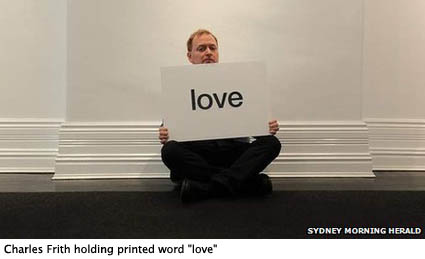
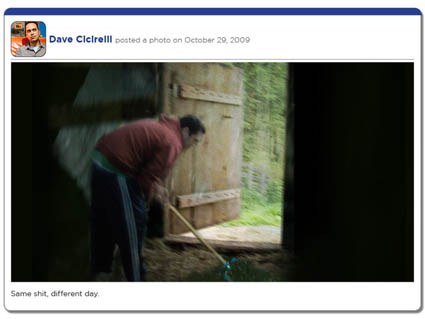
 , Cicirelli tells the story of his six-month hoax that fooled more people than he ever thought it could.
  In the 1950s, a DJ named Jean Shepherd hosted a late-night radio show on New York’s WOR that was unlike any before or since. On these broadcasts, he delivered dense, cerebral monologues, sprinkled with pop-culture tidbits and vivid stretches of expert storytelling. “There is no question that we are a tiny, tiny, tiny embattled minority here,” he assured his audience in a typical diatribe. “Hardly anyone is listening to mankind in all of its silliness, all of its idiocy, all of its trivia, all of its wonder, all of its glory, all of its poor, sad, pitching us into the dark sea of oblivion.” Shepherd’s approach was summed up by his catchphrase: a mock-triumphant “Excelsior!”, followed by an immediate, muttered “you fathead”¦”