…Exploring the role of the prankster as artist, activist and social observer and the significance of the prank in society.
Category: Fact or Fiction?
A look at conspiracy theories, “official truths”, political spin, propaganda, tall tales, urban legends, magic, and illusion, all as they relate to the Art of the Prank. When truth intersects with a personal agenda, established facts are challenged, or human gullibility is preyed upon for ulterior motives, we hope that skepticism, logic, reason, and facts have a balancing effect.
Exclusive: Rahil Prakash tells the Guardian: ‘I wanted to see if fake polls could penetrate the ecosystem that easily’
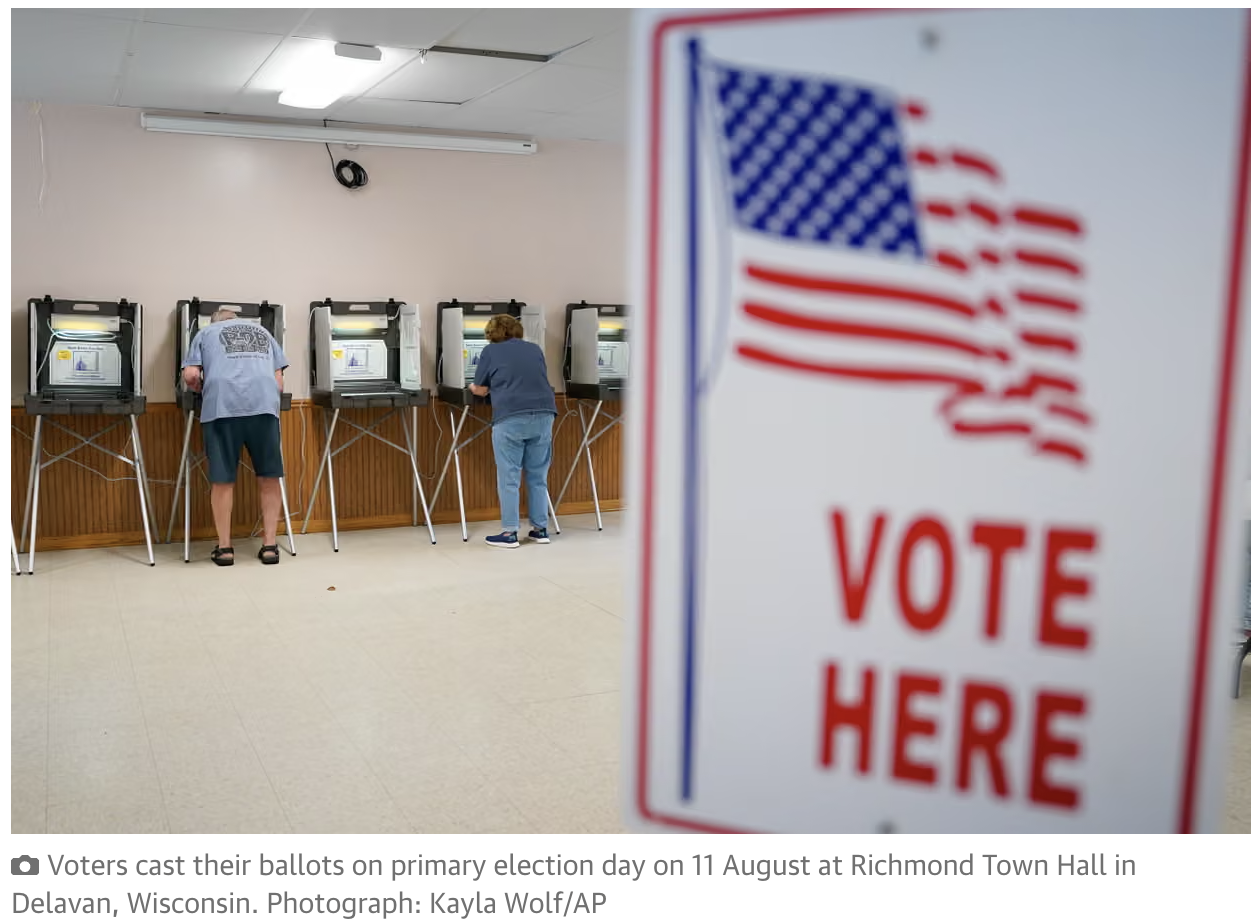
A 21-year-old recent college graduate was behind an anonymous website that put out widely shared fake election polling in Wisconsin, Nevada and California, the Guardian can reveal.
The website, Median Strategies, abruptly shut down and withdrew its polling earlier this week following questions from a reporter from the Los Angeles Times. In an unsigned statement, it described a “short-term social experiment” to examine how fake polling “could enter and spread through the political information ecosystem without independent verification”.
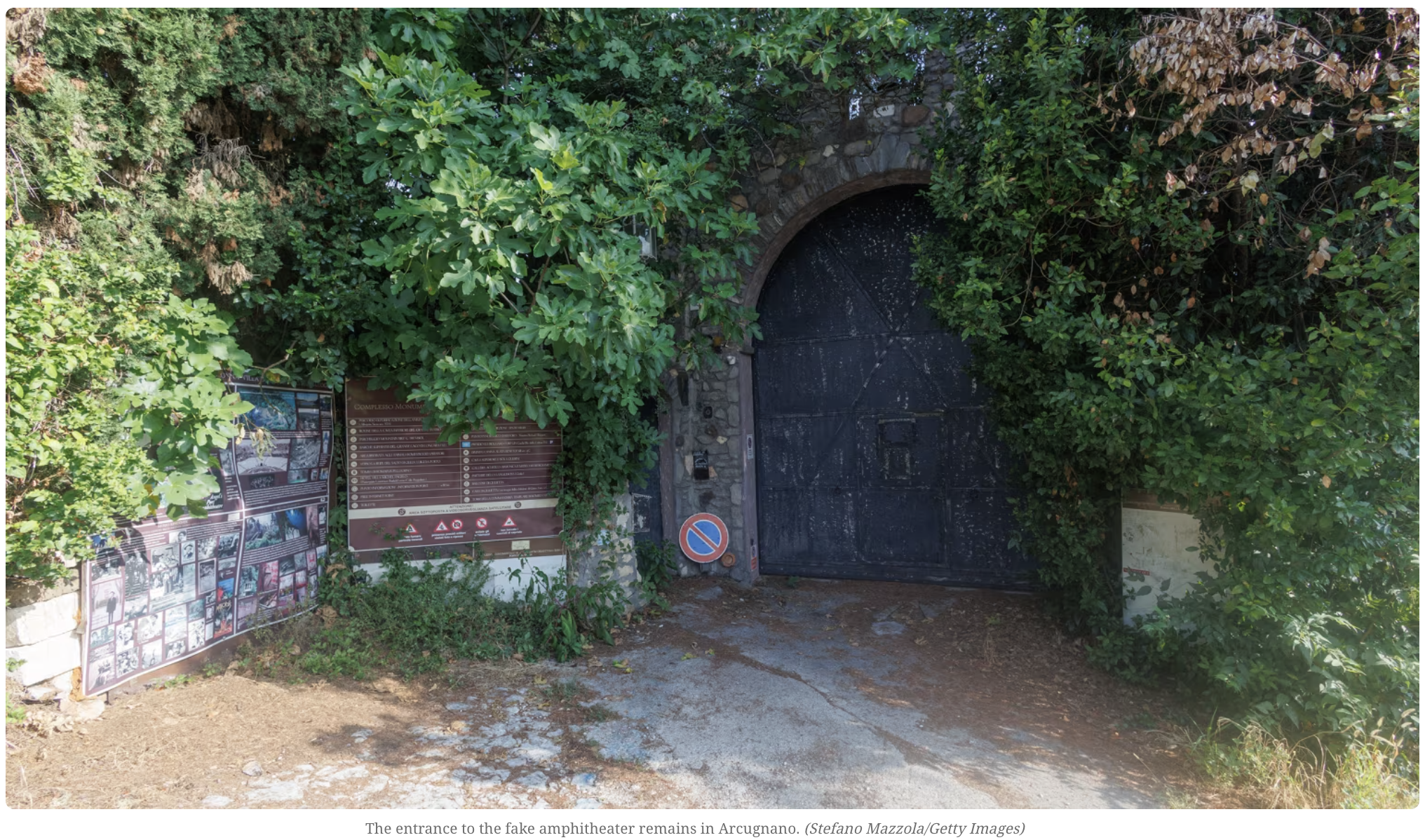
Art has always made people uncomfortable. That’s not an accident — it’s frequently the point.
But there’s a difference between art that challenges and art that societies, governments, galleries, and institutions have decided crosses a line so completely that the public simply isn’t allowed to see it. Censored, seized, locked in storage, refused at the border, yanked from museum walls mid-exhibition: the works collected here have all been banned, suppressed, or blocked from public view at some point in history — and often for reasons that reveal far more about the censors than about the art itself.
A production budget between $2.5 million and $5 million changes the dynamic from a Yes Men corporate prank to something entirely different.
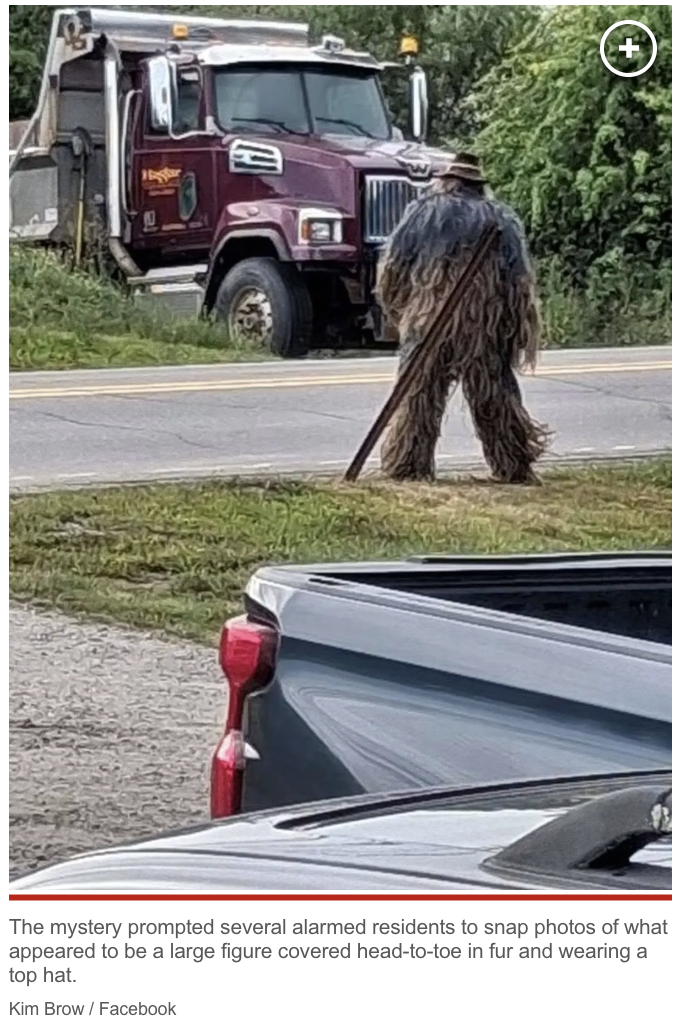
Here are two articles, one day apart, about Northland Tales, an unscripted prank comedy series, produced by the Yes Men’s Igor Ramos (and others) and financed through CBC, the Aboriginal Peoples Television Network, and the Indigenous Screen Office. The show purported to use pranks for “social action” to address “historical injustices.”
When two interviewees, Frances Widdowson and Lindsay Shepherd, separately expressed concerns about the truthfulness of their interviewers, CBC paused production. Frances Widdowson, sensing something was “off” during her interview, live streamed it to social media (see below).
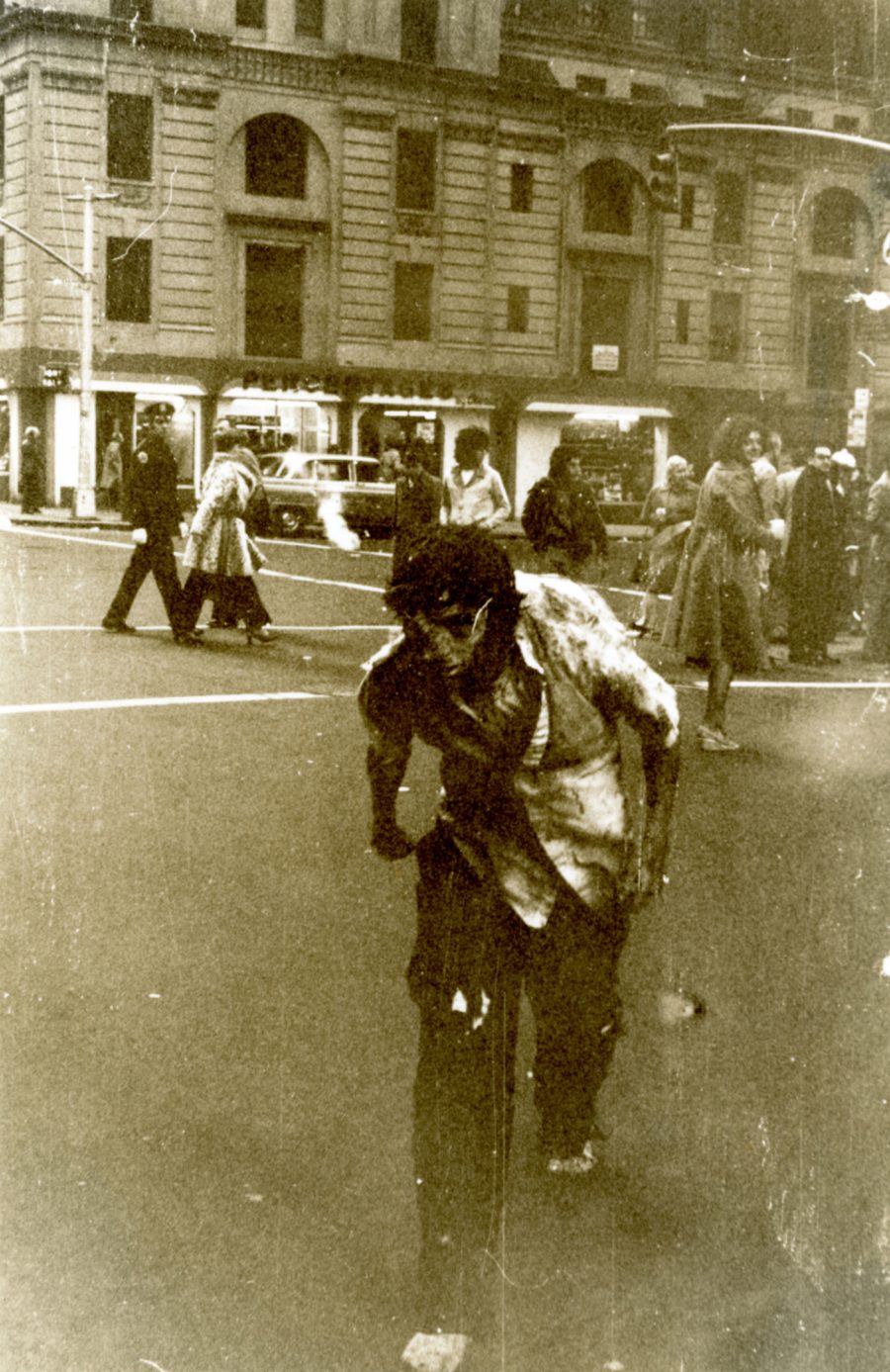
60 years ago, in 1966 on Easter Sunday, Joey Skaggs dragged his iconoclastic sculpture of a naked and decayed figure of Jesus Christ on a crucifix into Tompkins Square Park on the lower east side. It was his personal statement about the war in Vietnam and the hypocrisy of religion.
This was the beginning of Skaggs’ career as an artist who used the streets as his theater.