This is a disturbing story about an unbelievable travesty of justice. A 15 year old boy was convicted of murder twenty years ago and received a life sentence with no possibility of parole. His conviction was based on faulty circumstantial evidence; analysis of his art work; and the fact that he did not report the body, which he saw lying in a field as he rode his bicycle to school, because he thought it was a prank. JS
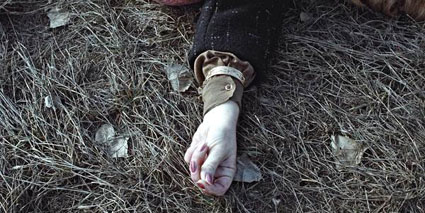
Sketchy evidence raises doubts
Revisiting a conviction
by Miles Moffeit
Denver Post
July 14, 2007
Somewhere between the spot Peggy Hettrick was abducted and the Fort Collins field where her partially clad body was dumped, her killer would have shed pieces of himself, mothlike.
As he pulled her through the grass that dark morning on Feb. 11, 1987, his skin cells could have sloughed off onto her black coat. A strand of his hair could have hooked onto her shoes. A sneeze could have dampened her blouse.
This is the law of forensic science: When two people come into contact, they leave cells on each other.
But in the Hettrick murder case, authorities strayed from this law by losing some of these biological relics and destroying evidence linked to a prominent doctor they never investigated for the crime. In doing so, they may have covered the killer’s genetic tracks.
This happened in Fort Collins, where a detective clung to his belief that a 15-year-old boy committed the crime, despite no physical evidence. In a county where prosecutors opposed saving DNA, let alone testing it. In a state where the law doesn’t create a duty to preserve forensic evidence.
The result, as believed by three former Fort Collins police detectives and a former Colorado Bureau of Investigation director: An innocent man goes to prison for life, and the real killer moves on. Continue reading “The Tim Masters Story”