Is that social media influencer you’re following real?
These Influencers Aren’t Flesh and Blood, Yet Millions Follow Them
by Tiffany Hsu
The New York Times
June 17, 2019
The kiss between Bella Hadid and Miquela Sousa, part of a Calvin Klein commercial last month, struck many viewers as unrealistic, even offensive.
Ms. Hadid, a supermodel, identifies as heterosexual, and the ad sparked complaints that Calvin Klein was deceiving customers with a sham lesbian encounter. The fashion company apologized for “queerbaiting” after the 30-second spot appeared online.
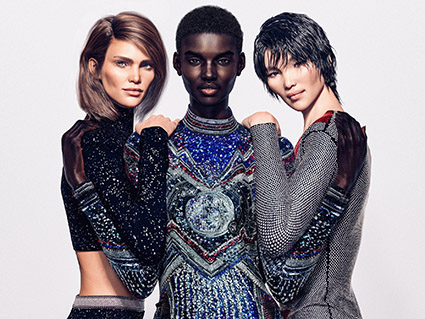
But Ms. Hadid, at least, is human. Everything about Ms. Sousa, better known as Lil Miquela, is manufactured: the straight-cut bangs, the Brazilian-Spanish heritage, the bevy of beautiful friends.
Lil Miquela, who has 1.6 million Instagram followers, is a computer-generated character. Introduced in 2016 by a Los Angeles company backed by Silicon Valley money, she belongs to a growing cadre of social media marketers known as virtual influencers.
Each month, more than 80,000 people stream Lil Miquela’s songs on Spotify. She has worked with the Italian fashion label Prada, given interviews from Coachella and flaunted a tattoo designed by an artist who inked Miley Cyrus.
Until last year, when her creators orchestrated a publicity stunt to reveal her provenance, many of her fans assumed she was a flesh-and-blood 19-year-old. But Lil Miquela is made of pixels, and she was designed to attract follows and likes. Continue reading “Mirror, Mirror on the Wall–Who is the Fakest of Them All?”