Last autumn, Jered “Threatin” Eames staged the most alienating, least explicable rock tour stunt since the Sex Pistols hit the deep south. He recently broke his silence.
“The Great Heavy Metal Hoax”
by David Kushner
Rolling Stone
December 14, 2018
 In November, managers of rock clubs across the United Kingdom began sharing the same weird tale. A pop-metal performer, Threatin, had rented their clubs for his 10-city European tour. Club owners had never heard of the act when a booking agent approached them promising packed houses. Threatin had fervent followers, effusive likes, rows of adoring comments under his YouTube concert videos, which showed him windmilling before a sea of fans. Websites for the record label, managers and a public-relations company who represented Threatin added to his legitimacy. Threatin’s Facebook page teemed with hundreds of fans who had RSVP’d for his European jaunt, which was supporting his album, Breaking the World.
But despite all the hype, almost no one came to the shows. It was just Threatin and his three-piece band onstage, and his wife, Kelsey, filming him from the empty floor. And yet Threatin didn’t seem to care — he just ripped through a set as if there was a full house. When confronted by confused club owners, Threatin just shrugged, blaming the lack of audience on bad promotion. “It was clear that something weird was happening,” says Jonathan “Minty” Minto, who was bartending the night Threatin played at the Exchange, a Bristol club, “but we didn’t realize how weird.” Intrigued, Minto and his friends started poking around Threatin’s Facebook page, only to find that most of the fans lived in Brazil. “The more we clicked,” says Minto, “the more apparent it became that every single attendee was bogus.”
It all turned out to be fake: The websites, the record label, the PR company, the management company, all traced back to the same GoDaddy account. The throngs of fans in Threatin’s concert videos were stock footage. The promised RSVPs never appeared. When word spread of Threatin’s apparent deception, club owners were perplexed: Why would someone go to such lengths just to play to empty rooms? Read more.

 Before April Fools’ Day 2019 even began, the tech giant
 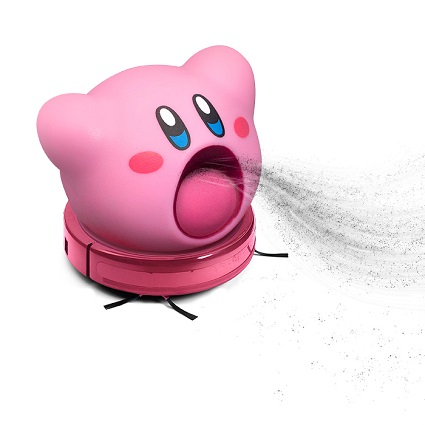 Of the branded pranks that did go down, the most interesting had satirical or meta-comedic elements.
 Others were just plain, dumb, silly, marginally self-aware fun. Here are the best of the rest:
 And there was even some good news!
 April 1 has long been a spectacularly annoying day to be alive, with brands falling over themselves to be “funny” and usually revealing themselves to be anything but. This was almost tolerable in the days when we were talking simply fake advertisements in print media, but it has taken on a new dimension online, as companies have actually modified the services that we rely on daily in an attempt to be “funny.”
 The world”s first human head transplant has been carried out on a corpse in China, according to a controversial Italian doctor who said Friday that scientists are now ready to perform the surgery on a living person.