A Bunch of Swinging Dicks

Peckerheads for Cryptocurrency…


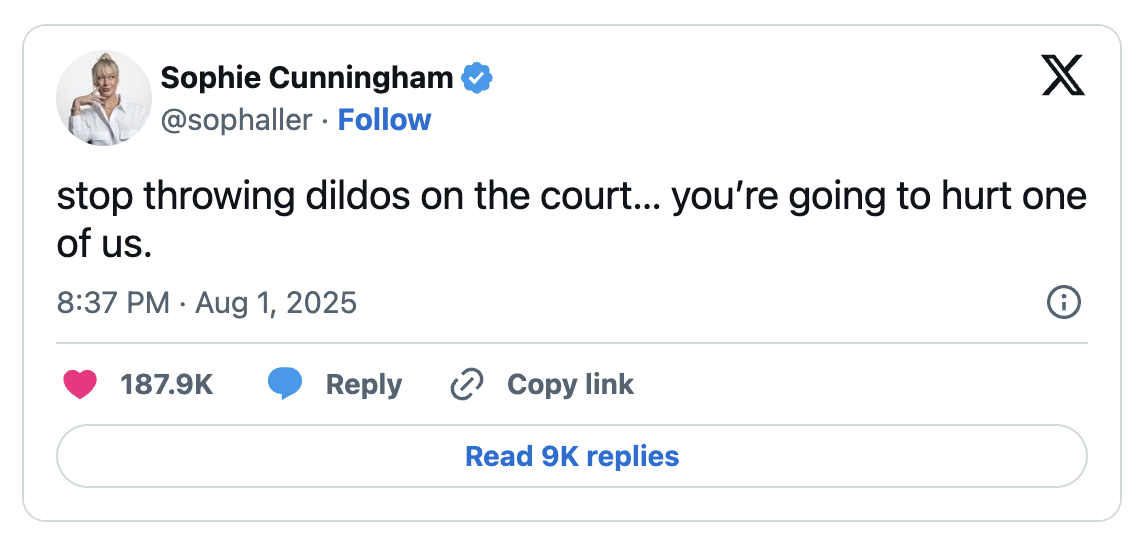
“Group Takes Credit For Throwing Sex Toys At WNBA Games And Reveals Its Motives,” by Pocharapon Neammanee, Huffpost, August 8, 2025.

The stunt somehow seems even stupider now, and to make matters worse, Donald Trump Jr. chimed in.

Cryptocurrency creators are now taking credit for throwing sex toys onto the court at multiple WNBA games, saying they intended to stir up controversy and promote their memecoin.

The self-confessed dildo-throwers say they launched the memecoin Green Dildo Coin on the Ethereum blockchain on July 28, a day before the first dildo-tossing incident. After Barstool Sports reported on the group’s identity on Wednesday, the price of the coin skyrocketed.

Read the whole article here.

Encouraging Bad Behavior

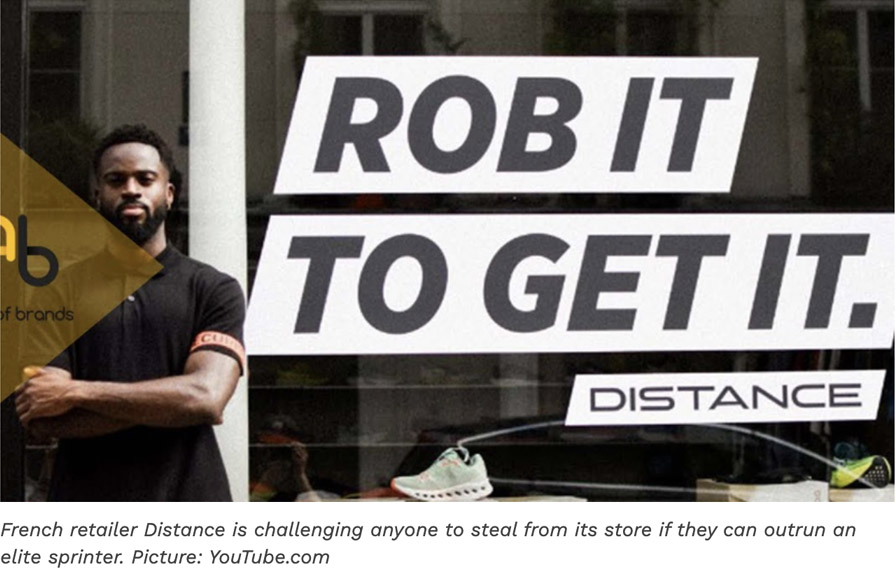
A Paris retail store challenged people to try to steal their shoes. Thing is, you had to run faster than their world-class sprinter, Méba-Mickaël Zeze. Only two out of 74 people got away with the goods.


This Paris store lets customers steal shoes – but there’s one catch, by Marchelle Abrahams, iol.co.za

Click to watch the video:

Rudolph the Red-Nosed Reindeer Debunked

Snopes sheds light on the origins of another beloved Christmas myth: “The story of Rudolph the Red-Nosed Reindeer… was developed for commercial purposes by a Montgomery Ward copywriter at the specific request of his employer…”


Rudolph the Red-Nosed Reindeer
Snopes.com

Was Rudolph the Red-Nosed Reindeer created to bring comfort to a girl whose mother was dying of cancer?

CLAIM
The character ‘Rudolph the Red-Nosed Reindeer’ was created by a father to bring comfort to his daughter as her mother was dying of cancer.

WHAT’S TRUE
Rudolph the Red-Nosed Reindeer was created by a man whose wife was dying of cancer.

WHAT’S FALSE
The story of Rudolph was created by a father to bring comfort to his daughter as her mother lay dying of cancer.

ORIGIN
To most of us, the character of Rudolph the Red-Nosed Reindeer, immortalized in song and a popular holiday television special, has always been an essential part of our Christmas folklore, but Rudolph is in fact a mid-twentieth century invention whose creation can be traced to a specific time and person

Read the whole story here.

Spectacle TV Without the Spectacle…

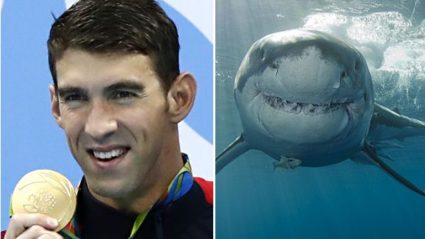
Olympian Michael Phelps unsurprisingly lost his Sunday race against a simulated great white shark.


“Twitter users blast Michael Phelps for not racing a real shark”
by Chris Perez
New York Post
July 24, 2017

Can you blame him?

Social media users were tearing Michael Phelps to shreds for his “race” against a Great White shark on Sunday night “” calling it a “scam” “” after he chose to swim side-by-side with a simulation, instead of the real thing.

“Don”t say Phelps is racing a shark if you”re not going to put him against an actual shark,”
tweeted Breyanna Davis, who was one of countless viewers to get confused over the way the televised swimming competition went down.

“So you mean to tell me Michael Phelps didn”t even race a real shark? It was just a simulation. I”m mad. More like Shark WEAK!” said Frank Costa.

User @M_Frosti added, “smh Michael Phelps isn”t actually racing a shark. He”s just racing a simulation of a shark. Biggest scam of 2017.” Read more.

Fast Food Ad Pulls a Fast One

A clever and controversial Burger King TV ad stokes fears about the internet of things and our accelerating rate of information exchange.


“Burger King”s new ad forces Google Home to advertise the Whopper”
by Jacob Kastrenakes
The Verge
April 12, 2017
Burger King is unveiling a horrible, genius, infuriating, hilarious, and maybe very poorly thought-out ad today that”s designed to intentionally set off Google Homes and Android phones.

The 15-second ad features someone in a Burger King uniform leaning into the camera before saying, “OK Google, what is the Whopper burger?”

For anyone with a Google Home near their TV, that strangely phrased request will prompt the speaker to begin reading the Wikipedia entry for the Whopper. It”s a clever way of getting viewers” attention, but it”s also a really quick way of getting on viewers” nerves “” just look at the reactions people had when ads accidentally triggered voice assistants in the past.
“Burger King”s ad relies on Wikipedia, which is maybe not a good idea”

While Burger King is far from the first to recognize that it”s possible to mess with someone else”s smart speaker, it”s certainly the first to put it into a widely run ad campaign. The spot is supposed to begin running in prime-time slots across the US today on networks including History, Spike, Comedy Central, MTV, E!, and Bravo, and it will air during Adult Swim, The Tonight Show, and Jimmy Kimmel Live.

Google wasn”t involved in the ad”s creation. That means this isn”t an expansion of Google”s ad tests (people weren”t happy when Google built a Beauty and the Beast ad into the speaker), but it also leads to some real issues for Burger King. For one, it has to use weird phrasing “” “What is the Whopper burger?” “” because that”s the query that actually gets the result it wants. Asking “What is a Whopper?” gets you the definition of the word “whopper.”

And then there”s the bigger problem: Google gets its explanation of the Whopper from Wikipedia. And as we all know, anyone”s free to edit Wikipedia. Read more.