 Before April Fools’ Day 2019 even began, the tech giant Microsoft announced that it would not be indulging in any branded foolishness this year. And that sort of set the tone for the day.
From the rise of the internet and social media through the election of Donald Trump, distinguishing truth from fiction in the online landscape has become less about comedy and more about horror. Even the cutest and cleverest April Fools’ publicity stunts are not as well received as they may have been in the past. The overall online mood is darker, more skittish, and more reflective. Still, there’s still some levity to be found in the chaos and desperation.
A few editorials addressed the cynicism and fatigue around April Fools’ Day from high-level perspectives.
- Vox published a history of branded pranks in the internet age.
- GQ examined how distrust of the media has sapped some of the fun from April Fools’.
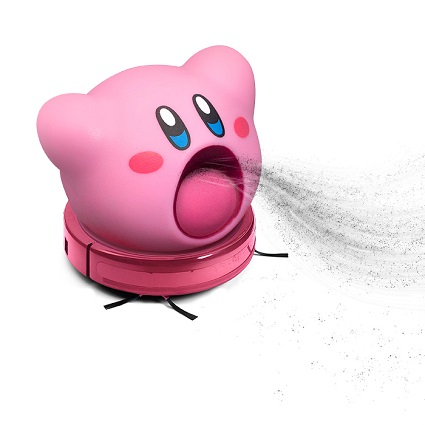 Of the branded pranks that did go down, the most interesting had satirical or meta-comedic elements.
- The LA Times took a catty swipe at its cross-country rival and New York’s self-important foodie scene.
- The Nectar BumbleBed mocked the eccentric fads of the underregulated “health and wellness” industry.
- The language-learning app Duolingo poked fun at its own infamously pushy mascot and UX in a cleverly disturbing way.
- USA Today challenged its readers to differentiate real fakes from fake fakes.
 Others were just plain, dumb, silly, marginally self-aware fun. Here are the best of the rest:
- From the science-and-tech world
- From gaming
- From reddit
- From a British angle
- From the desks of Time, The Verge, and The Guardian
 And there was even some good news!
- Burger King’s meatless Whopper is not a joke!
- Pranksters and comedians are not being displaced by AI!
- April Fools’ news gags can help fight malicious fake news!
As with any holiday, the best way to spend April Fools’ Day is probably not on the internet, but engaged in revelry and camaraderie IRL, fighting the forces of oppression and no-fun-ness in the company of loved ones and loved ones you haven’t met yet. So naturally the best news of the day was the annual April Fools’ Day Parade – see the highlights [HERE].

