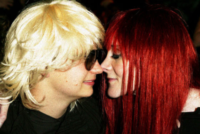
JT LeRoy was widely presumed to be a gay prostitute from West Virginia who became the toast of NYC art-hipsterdom on the strength of his autobiographical books. The problem was that he didn’t exist at all – he was a character invented by a frustrated failed writer named Laura Albert and played by a friend of Albert’s in a blonde wig. Frauds and fabulists ran amok in the Bush years, and LeRoy’s unmasking didn’t garner the same attention and schadenfreude as the downfalls of rouge reporter Jayson Blair or manly-man poseur James Frey. But as a new documentary explores, his story was a hell of a lot weirder.
“JT LeRoy doc explores absorbing literary scandal”
by Lindsey Bahr
AP
September 7, 2016
 To the general public, the name JT LeRoy probably rings only the vaguest of bells, if any at all. It didn’t for this particular critic. But that innocent ignorance is all the more reason to seek out the documentary “Author: The JT LeRoy Story ,” a fascinating peek into one of the wildest literary scandals in recent years and the bizarre nature of celebrity relationships. Director Jeff Feuerzeig’s film, while undeniably one-sided, will have your mind spinning with questions about authorship, authenticity, art and fame.
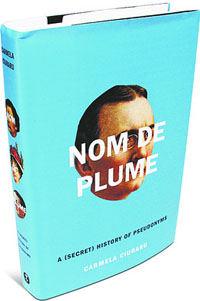
 her “secret history” of pseudonyms, there is nothing new about literary masquerades.