
Now, with AI, you can have one.
Cascade of A.I. Fakes About War With Iran Causes Chaos Online, by Stuart A. Thompson and Alexander Cardia, The New York Times, March 13, 2026
A torrent of fake videos and images generated by artificial intelligence have overrun social networks during the first weeks of the war in Iran..
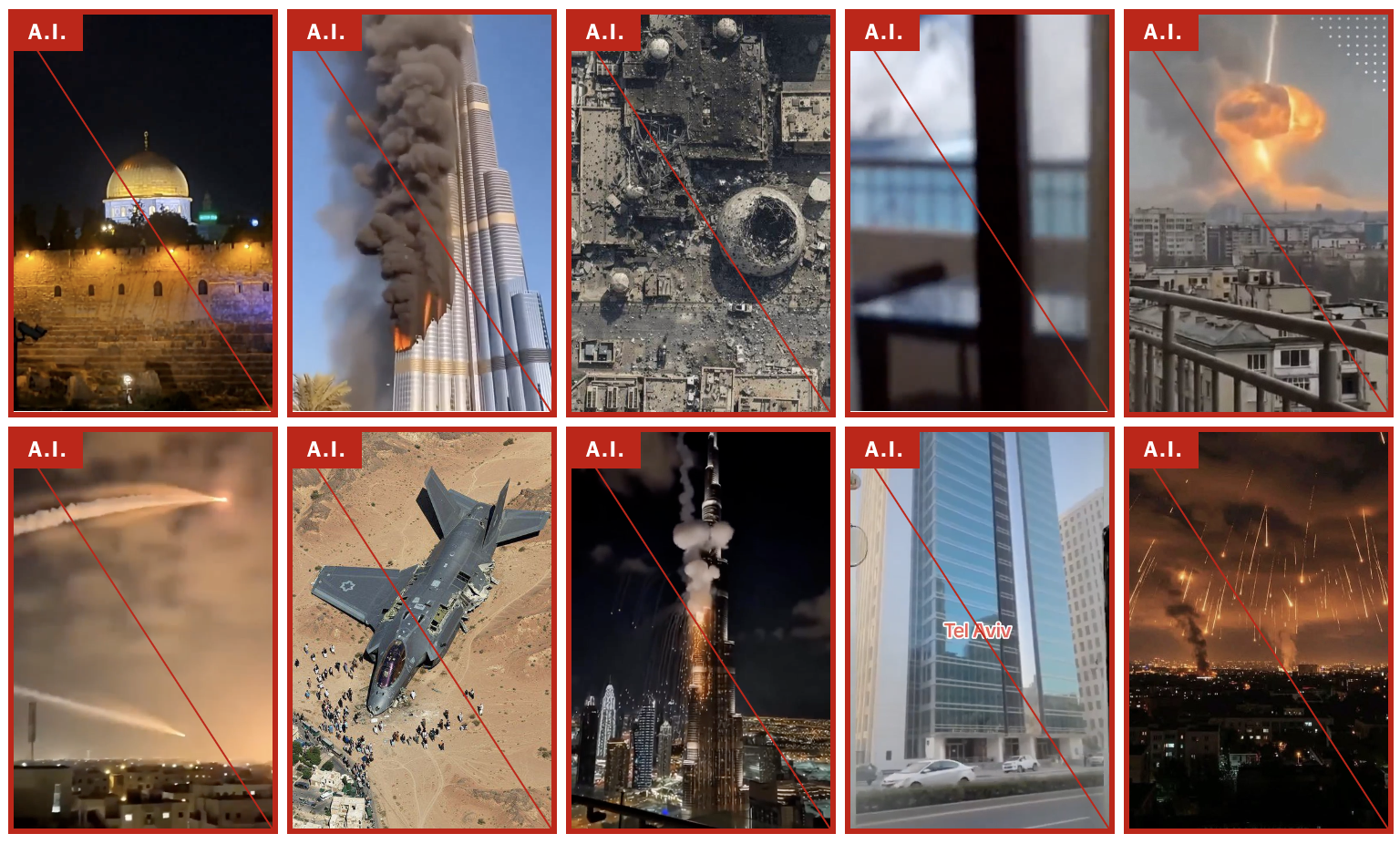
The videos — showing huge explosions that never happened, decimated city streets that were never attacked or troops protesting the war who do not exist — have added a chaotic and confusing layer to the conflict online.
The New York Times identified over 110 unique A.I.-generated images and videos from the past two weeks about the war in the Middle East. The fakes covered every aspect of the fighting: They falsely depicted screaming Israelis cowering as explosions ripped through Tel Aviv, Iranians mourning their dead and American military vessels bombarded with missiles and torpedoes. Read the whole article here.



 Before April Fools’ Day 2019 even began, the tech giant
  Of the branded pranks that did go down, the most interesting had satirical or meta-comedic elements.
 Others were just plain, dumb, silly, marginally self-aware fun. Here are the best of the rest:
 And there was even some good news!
 How much of the internet is fake? Studies generally suggest that, year after year, less than 60 percent of web traffic is human; some years, according to some researchers, a healthy majority of it is bot. For a period of time in 2013, the Times reported this year, a full half of YouTube traffic was “bots masquerading as people,” a portion so high that employees feared an inflection point after which YouTube’s systems for detecting fraudulent traffic would begin to regard bot traffic as real and human traffic as fake. They called this hypothetical event “the Inversion.”