You Say You Want a Revolution

Now, with AI, you can have one.


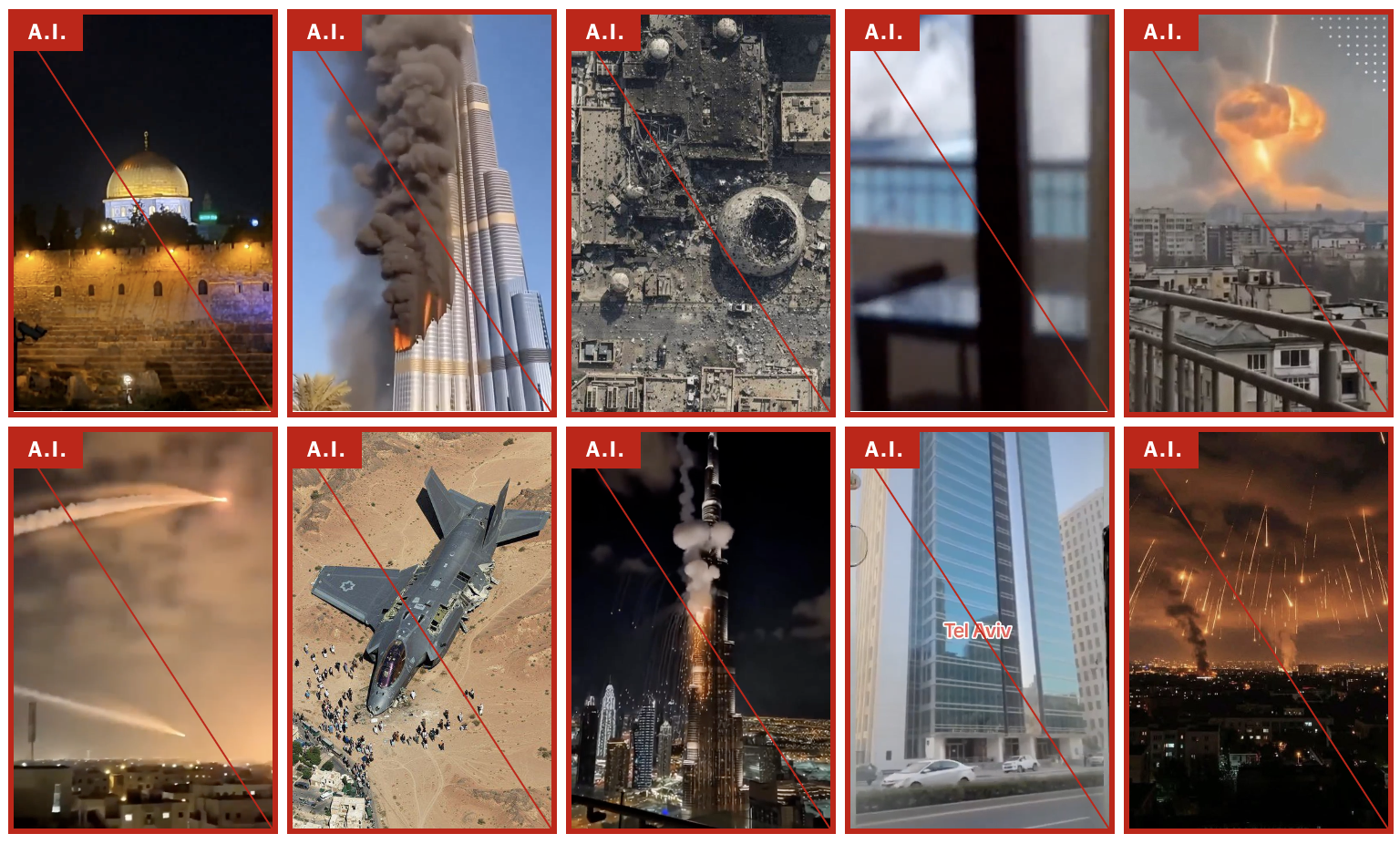
Cascade of A.I. Fakes About War With Iran Causes Chaos Online, by Stuart A. Thompson and Alexander Cardia, The New York Times, March 13, 2026

A torrent of fake videos and images generated by artificial intelligence have overrun social networks during the first weeks of the war in Iran..

The videos — showing huge explosions that never happened, decimated city streets that were never attacked or troops protesting the war who do not exist — have added a chaotic and confusing layer to the conflict online.

The New York Times identified over 110 unique A.I.-generated images and videos from the past two weeks about the war in the Middle East. The fakes covered every aspect of the fighting: They falsely depicted screaming Israelis cowering as explosions ripped through Tel Aviv, Iranians mourning their dead and American military vessels bombarded with missiles and torpedoes. Read the whole article here.


Truth Seekers Beware!

Emperor Trump only wants you to hear what he wants you to hear.


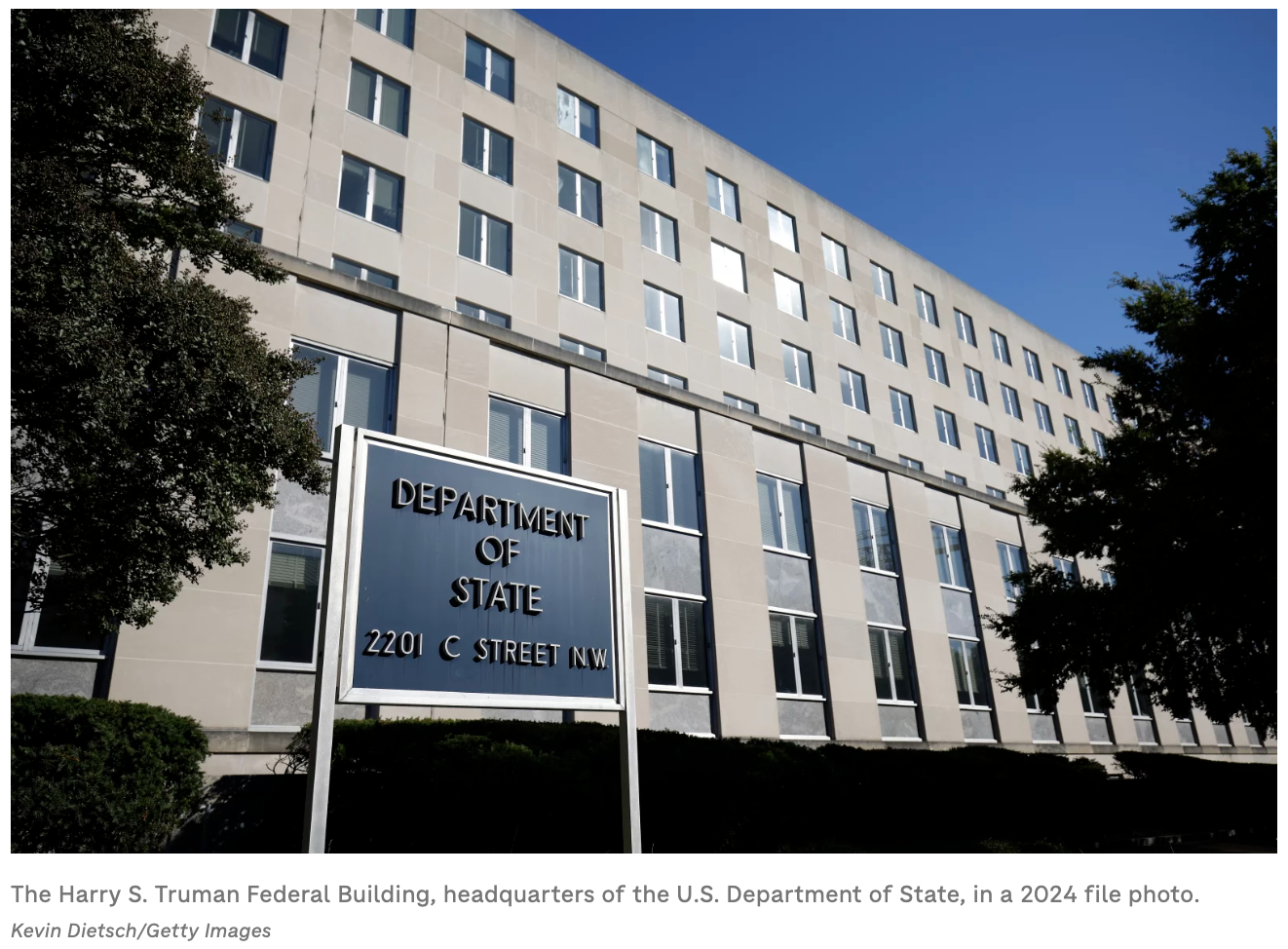
“State Department to deny visas to fact checkers and others, citing ‘censorship’,” by Shannon Bond, NPR, December 4, 2025.

The State Department is instructing its staff to reject visa applications from people who worked on fact-checking, content moderation or other activities the Trump administration considers “censorship” of Americans’ speech.

The directive, sent in an internal memo on Tuesday, is focused on applicants for H-1B visas for highly skilled workers, which are frequently used by tech companies, among other sectors. The memo was first reported by Reuters; NPR also obtained a copy.

“If you uncover evidence an applicant was responsible for, or complicit in, censorship or attempted censorship of protected expression in the United States, you should pursue a finding that the applicant is ineligible” for a visa, the memo says. It refers to a policy announced by Secretary of State Marco Rubio in May restricting visas from being issued to “foreign officials and persons who are complicit in censoring Americans.” Read the whole article here.

The Battle of Burning Disinformation

A war with never ending ammunition.


Ukraine’s fight against disinformation is creating a new startup sector, by Thomas Macaulay, thenextweb.com, September 6, 2023

Counter-disinformation is a growing industry

When Russian troops flooded into Ukraine last year, an army of propagandists followed them. Within hours, Kremlin-backed media were reporting that President Zelenskyy had fled the country. Weeks later, a fake video of Zelenskyy purportedly surrendering went viral. But almost as soon as they emerged, the lies were disproven.

Government campaigns had prepared Ukrainians for digital disinformation. When the crude deepfake appeared, the clip was quickly debunked, removed from social media platforms, and disproven by Zelenskyy in a genuine video.

The incident became a symbol of the wider information war. Analysts had expected Russia’s propaganda weapons to wreak havoc, but Ukraine was learning to disarm them. Those lessons are now fostering a new sector for startups: counter-disinformation.

Like much of Ukrainian society, the country’s tech workers has adopted aspects of military ethos. Some have enlisted in the IT Army of volunteer hackers or applied their skills to defence technologies. Others have joined the information war.

In the latter group are the women who founded Dattalion. A portmanteau of data and battalion, the project provides the world’s largest free and independent open-source database of photo and video footage from the war. All media is classified as official, trusted, or not verified. By preserving and authenticating the material, the platform aims to disprove false narratives and propaganda.

Dattalion’s data collection team leader, Olha Lykova, was an early member of the team. She joined as the fighting reached the outskirts of her hometown of Kyiv.

“We started to collect data from open sources in Ukraine, because there were no international reporters and international press at the time,” Lykova, 25, told TNW in a video call. “In the news, it was not possible to see the reality of what was happening in Ukraine.” Read the rest of this article here.

It’s a Bird. It’s a Plane. It’s a… What?

It’s not Casper the Friendly Ghost!


‘Flying Aliens’ Harassing Village in Peru Are Actually Illegal Miners With Jetpacks, Cops Say, by Nathaniel Janowitz, Vice, August 14, 2023

Authorities announced their theory after visiting the isolated Indigenous community where the attacks took place.

The mysterious attacks began on July 11.

“Strange beings,” locals said, visiting an isolated Indigenous community in rural Peru at night, harassing its inhabitants and attempting to kidnap a 15-year-old girl.

“These gentlemen are aliens. They seem armored like the green goblin from Spider Man. I have shot one twice and it didn’t fall. Instead, it elevated and disappeared,” Jairo Reátegui Ávila, a local leader of the Indigenous Ikitu group living in the northwestern Maynas province, told Peruvian radio station RPP Noticias on August 1. “We’re frightened by what is happening in the community.”

“Their color is silver, their shoes are round in shape and with those, they rise up. They float one meter high and have a red light on their heel,” said Ávila. “Their heads are long, their mask is long, and their eyes are sort of yellowish.” Read the rest of the story here.

Always Check Your Sources Before You Get Outraged

“Ghostwriter” global disinformation campaign takes aim at NATO


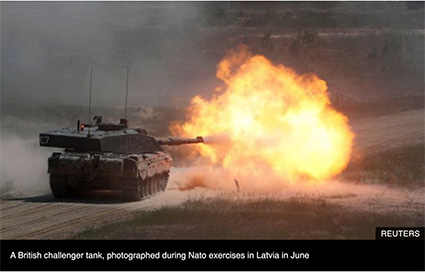
Hackers post fake stories on real news sites ‘to discredit Nato’, BBC News, July 30, 2020

Hackers have broken into real news websites and posted fake stories stirring up anti-Nato sentiment, a cyber-security firm has warned.

The disinformation campaign, nicknamed “ghostwriter”, has been ongoing since 2017, according to FireEye researchers.

It is designed to “chip away” at support for Nato in Lithuania, Latvia, and Poland, they said.

While the false stories are “aligned with Russian security interests”, it is not known who is behind the attack.

The disinformation campaign uses “falsified news articles, quotes, correspondence and other documents designed to appear as coming from military officials and political figures in the target countries,” FireEye said.

In some cases, false news stories were posted on real news websites without permission.

The attackers apparently gained access to the CMS of the target website and replaced old articles with their own content, or posted entirely new false articles.

They would try to spread the fake stories on social media before they were taken down.

In one example from last year, a Lithuanian news site published a fake article claiming that German soldiers had desecrated a Jewish cemetery.

In another, a fake message was posted to the Polish War Studies Academy website, claiming to be from the organisation’s commander. It called for troops to fight against “the American occupation”. Read the rest of the story here.