On the art of the April Fool’s prank
by Diego Vasquez
Media Life Magazine
March 29, 2011
It has to be far-fetched enough to raise doubts
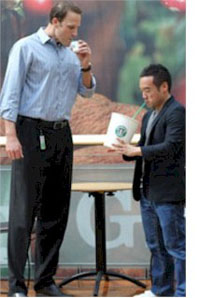 If you didn’t happen to remember that the news was coming out on April Fool’s Day, it sounded plausible. On April 1, 2010, Starbucks announced two new sizes called the plenta and the micra, joining such existing sizes as the grande and venti. The plenta, Starbucks said, would hold 128 ounces of coffee, or roughly six times its biggest size at the time, while the micra would hold 2 ounces. Social networking sites were abuzz over the news, while hundreds voiced their approval or disapproval on the Starbucks web site until they realized the whole thing was a joke. Like the best April Fool’s stunts, it was just realistic enough to be possible, but just ridiculous enough to be questioned. In this case, most people laughed it off as a clever marketing stunt, but not all April Fool’s stunts are as well received. In some cases, it can do damage to an advertiser’s brand. Three days before April 1 arrives, Grant Powell, founder and chief executive officer at the digital agency Pomegranate, talks to Media Life about how advertisers can pull off a smart stunt, which ones have worked in the past, and which ones didn’t.
How can advertisers walk the fine line between showing a sense of humor on April Fool’s Day and not alienating their customers?
There is indeed a very fine line between a well-received prank and one that will leave customers upset. Continue reading “Consumers: Get Ready to be Marketed by April Fools Day Pranks”