Heard the one about reading in dim light being bad for your eyes? It’s just a myth
by Alok Jha, Science Correspondent
The Guardian
December 21 2007
Doctors pour cold water on commonly held views. And they use more than 10% of their brains to do it
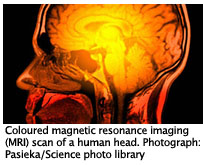 They are the universal pearls of wisdom that explain some of the more puzzling things about the human body and help people live healthy lives: don’t read in dim light, drink eight glasses of water a day and don’t use mobile phones in hospitals.
The problem is: there is no evidence to suggest that these gems of advice are actually true. In a study out today researchers have scoured through leading databases of medical research to test whether any of the most commonly held beliefs among doctors and patients bear any links to reality.
The two doctors behind the research wanted to remind their colleagues that anyone could get things wrong and suggested that doctors should think twice about commonly held ideas that might not be based on evidence.
“We got fired up about this because we knew that physicians accepted these beliefs and were passing this information along to their patients. And these beliefs are frequently cited in the popular media. We didn’t set out to become myth busters,” said Aaron Carroll of the Regenstrief Institute in Indianapolis.
Along with Rachel Vreeman of the Indiana University School of Medicine, Carroll examined beliefs ranging from healthy living to the morbid idea that nails and hair keep growing after you die.
The seven myths, published today in the British Medical Journal, were based on ideas and conversations the authors had heard endorsed on several occasions – and which many physicians thought were true. Continue reading “Seven Common Medical Myths Debunked”

 Both Mark Frauenfelder of BoingBoing and Alex Boese of the Museum of Hoaxes, following threads from the Heresy Corner blog (see links below), commented today on the probability that the twins separated at birth who found each other later in life, fell in love and got married, much to the horror of seemingly everyone, since, as the story goes, their marriage was immediately annuled, is undoubtedly an urban legend.