Looking back on a controversial BBC show called Ghostwatch and its creator Stephen Volk, a hoaxer who out-Orsoned War of the Worlds.
“The BBC Halloween Hoax That Traumatized Viewers”
by Jake Rossen
Mental Floss
October 6, 2016
 After more than 20,000 phone calls, one induced labor, and thousands of angry letters, the UK’s Broadcasting Standards Council convened for a hearing. On June 27, 1995, they ruled that the producers of Ghostwatch, a BBC program that aired on Halloween night less than three years earlier, had deliberately set out to “cultivate a sense of menace.”
Put another way, the BBC had been found to be complicit in scaring 11 million people senseless.
Airing from Northolt, North London, Ghostwatch alleged to report on the paranormal experiences of the Early family, which had been besieged by the actions of a ghostly apparition they called “Pipes.” Four recognized BBC presenters appeared on the show, which took on the appearance of a straightforward documentary and offered only subtle clues that it was an elaborate hoax. For a significant portion of viewers, it appeared as though they were witnessing documented evidence of a malevolent spirit.
Viewers grew so disturbed by the content that the network became embroiled in a controversy over what audiences felt was a ruse perpetrated by a trustworthy news source; cases of post-traumatic stress disorder in children were even reported in the British Medical Journal. What the BBC had intended to be nothing more alarming than an effective horror movie had petrified a country””and would eventually lead to accusations that it was responsible for someone”s death. Read more.
 In December 2015, readers at women”s site xoJane were enthralled and filled with all-caps rage by Rachel Brewson, a self-described “giant liberal” who
  Big media news for Hillary Clinton Tuesday night as the Arizona Republic “• which had never in its history endorsed a Democrat for president “• has thrown its endorsement to the former secretary of state,
 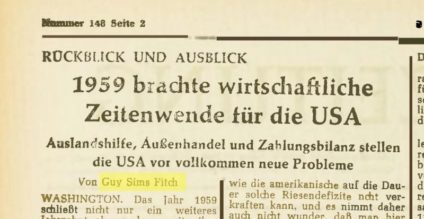 Guy Sims Fitch had a lot to say about the world economy in the 1950s and 60s. He wrote articles in newspapers around the globe as an authoritative voice on economic issues during the Cold War. Fitch was a big believer in private American investment and advocated for it as a liberating force internationally. But no matter what you thought of Guy Sims Fitch”s ideas, he had one big problem. He didn”t exist.
 Following the controversial